Quick Victoria Sponge: Make This Afternoon Tea Staple with Ease
There are few culinary delights as quintessentially British, or as universally beloved, as the Victoria Sponge. A cornerstone of any proper afternoon tea, this delicate, light, and utterly delicious cake has charmed generations with its elegant simplicity. Named after Queen Victoria herself, who was known to enjoy a slice with her afternoon cuppa, the Victoria Sponge perfectly embodies comfort, tradition, and a touch of royal indulgence. Despite its grand association, the beauty of the **classic Victoria sponge cake** lies in its approachable nature – it’s a surprisingly quick and straightforward bake that yields spectacular results every time.
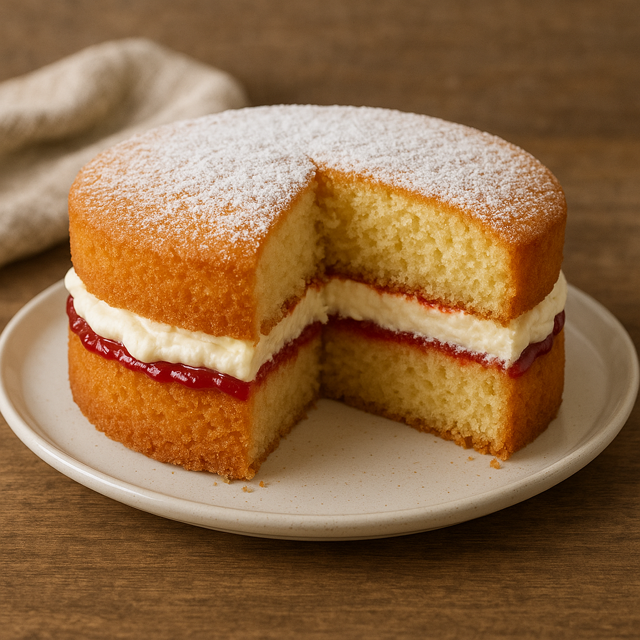
Imagine sinking your teeth into layers of airy, vanilla-scented sponge, generously filled with vibrant, fruity jam and luscious, freshly whipped cream, all dusted with a whisper of icing sugar. It’s a sensory experience that promises both nostalgia and pure delight. This article will guide you through making this iconic cake with ease, ensuring your next afternoon tea spread is nothing short of perfect.
The Royal Legacy of the Classic Victoria Sponge Cake
The story of the Victoria Sponge is intertwined with the very fabric of British social history, particularly the tradition of afternoon tea. This beloved ritual gained popularity in the mid-19th century, thanks in large part to Anna, the Seventh Duchess of Bedford, who found herself experiencing a "sinking feeling" in the late afternoon and began requesting tea and a light snack to bridge the long gap between lunch and dinner. Queen Victoria, ever the trendsetter, soon adopted this delightful custom, and the afternoon tea became a fashionable event among the aristocracy.
It was during this era that the cake we know and love today truly flourished. While sponge cakes had existed for centuries, the specific "sandwich" form – two sponges with a filling of jam and cream – became a particular favourite of Queen Victoria. Legend even suggests that this comforting cake played a role in coaxing the Queen out of her profound grief following the death of her beloved husband, Prince Albert, offering a sweet solace during challenging times.
The **classic Victoria sponge cake** quickly transcended its royal origins, becoming a staple in homes across the country. Its appeal was, and remains, its exquisite balance: a delicate texture, subtle sweetness, and a delightful contrast from the rich filling. It required only four basic ingredients – butter, sugar, eggs, and flour – making it an accessible yet refined treat that symbolized the domestic elegance of the Victorian era. Today, it stands proudly alongside scones and clotted cream as an undisputed icon of British baking, a timeless classic that continues to bring joy to tea tables worldwide.
What Makes a Classic Victoria Sponge Cake Truly "Classic"?
The term "sponge cake" can be a little misleading, as there are many variations across the globe. Some traditional sponge cakes, for instance, rely solely on aerated eggs (often separated, with whites whipped to stiff peaks) for their rise, resulting in an incredibly light, almost ethereal texture. Then there's the pound cake, historically made with equal weights of butter, sugar, eggs, and flour, producing a denser, richer crumb. For a deeper dive into these distinctions, you might enjoy reading
Victoria Sponge vs. Pound Cake: Decoding the British Classic.
However, when we talk about a **classic Victoria sponge cake**, we're specifically referring to a "butter sponge" or "creaming method" cake. This distinct method involves beating softened butter and sugar together until light and fluffy, then gradually incorporating eggs, and finally folding in self-raising flour. This technique creates a cake that is wonderfully light and airy, yet also moist and sturdy enough to hold its generous filling without collapsing.
The essence of its classic status also lies in its simplicity and specific components:
- The Sponge: A light, tender, and subtly sweet cake, often infused with a hint of vanilla. The texture is key – springy to the touch, with a fine crumb.
- The Filling: Traditionally, a vibrant layer of good quality raspberry or strawberry jam provides a delightful tartness, beautifully complemented by a thick layer of freshly whipped double cream. No heavy buttercream here; the lightness of the cream is paramount to the authentic experience.
- The Presentation: A simple dusting of icing sugar is all that's needed. This understated elegance is part of its enduring charm.
It's this specific combination of ingredients, method, and filling that defines the Victoria Sponge and sets it apart as a timeless masterpiece of baking.
Quick Victoria Sponge: Simplicity in Every Slice
While the name might suggest something elaborate, the magic of the **classic Victoria sponge cake** is that it's inherently quick and unfussy. It doesn't demand complicated techniques or exotic ingredients. This article focuses on harnessing the natural efficiency of the traditional method, proving that a truly authentic and delicious Victoria Sponge can be a remarkably swift project from start to finish.
The "quick" aspect comes from several factors:
- Simple Ingredients: You likely already have butter, sugar, eggs, and flour in your pantry.
- Straightforward Method: The creaming method is intuitive and forgiving, making it perfect for bakers of all skill levels.
- Minimal Decoration: A simple jam and cream filling with a dusting of icing sugar means less time spent on intricate piping or elaborate finishes.
- Rapid Baking Time: Two thin sponge layers bake relatively quickly compared to a single deep cake.
This direct approach ensures you can whip up this delightful treat without extensive preparation or a lengthy baking marathon, making it ideal for impromptu gatherings or when you simply crave a slice of homemade goodness. If you're looking for more tips to achieve baking perfection with this queenly cake, we recommend checking out
Bake the Perfect Victoria Sponge: Queen Victoria's Favorite Cake.
Your Easy-to-Follow Classic Victoria Sponge Cake Recipe
Ready to create your own piece of baking history? This recipe delivers that perfect balance of light sponge, sweet jam, and rich cream, just as Queen Victoria would have savoured it.
Ingredients for the Perfect Sponge:
- 200g unsalted butter, softened to room temperature
- 200g caster sugar
- 4 large eggs, at room temperature
- 200g self-raising flour, sifted
- 2 tbsp whole milk (optional, for a slightly moister crumb)
- 1 tsp vanilla extract (optional, but highly recommended for flavour)
For the Luscious Filling:
- 100g good quality raspberry or strawberry jam (seedless preferred for smoothness)
- 150ml double cream, chilled
- Icing sugar, for dusting
Step-by-Step Baking Instructions:
- Prepare Your Tins & Oven: Preheat your oven to 180°C (160°C fan) / 350°F / Gas Mark 4. Grease and line two 20cm (8-inch) round cake tins with baking parchment. This ensures your sponges won't stick and can be easily removed.
- Cream the Butter and Sugar: In a large mixing bowl, beat the softened butter and caster sugar together. Use an electric hand mixer for ease, or a wooden spoon and some elbow grease. Beat until the mixture is pale in colour, light, and fluffy – this creaming process is crucial for incorporating air, which contributes to the sponge's light texture.
- Incorporate the Eggs: Add the eggs one at a time, beating well after each addition until fully combined. If the mixture looks like it might curdle (separate), don't panic! Simply fold in a spoonful of your sifted flour, and continue beating until smooth again.
- Fold in the Flour: Sift the self-raising flour directly over the wet mixture. Gently fold it in using a large metal spoon or spatula, using a figure-eight motion. Be careful not to overmix, as this can develop the gluten in the flour and make the cake tough. Just fold until no streaks of flour remain. If using, fold in the milk and vanilla extract now until just combined.
- Divide and Bake: Divide the batter evenly between your two prepared cake tins, smoothing the tops with the back of a spoon or spatula. Bake for 20-25 minutes, or until the sponges are golden brown, springy to the touch, and a skewer inserted into the centre comes out clean.
- Cool Completely: Leave the sponges to cool in their tins for about 5 minutes. This allows them to firm up slightly. Then, carefully invert them onto a wire rack to cool completely. It's vital that the cakes are entirely cool before filling, otherwise, the cream will melt!
- Assemble Your Masterpiece: Once completely cooled, place one sponge layer onto your serving plate. Spread the jam evenly across the surface, right to the edges.
- Whip the Cream: In a separate bowl, whip the chilled double cream until it forms soft peaks – you want it luscious and spreadable, not overly stiff. Dollop the whipped cream generously over the jam layer.
- Finish with the Top Layer: Gently place the second sponge layer on top of the cream, pressing lightly to ensure the filling is secure. Finish with a generous dusting of icing sugar using a small sieve.
Tips for Victoria Sponge Perfection and Creative Twists
Achieving a flawless Victoria Sponge is simpler than you might think, especially with a few expert tips:
- Room Temperature Ingredients are Key: Ensure your butter and eggs are at room temperature. This allows them to emulsify properly, creating a smoother batter and a finer crumb.
- Don't Skimp on the Creaming: The creaming of butter and sugar is where the magic happens. Beat it for longer than you think you need to – until it's really pale and fluffy – for maximum air incorporation.
- Sift Your Flour: Sifting removes lumps and aerates the flour, contributing to a lighter sponge.
- Gentle Folding: Once the flour is added, mix as little as possible. Overmixing develops gluten, leading to a tough cake. Fold just until combined.
- High-Quality Fillings: Use a good quality jam with a high fruit content and fresh double cream. These simple ingredients are the stars of the show, so don't compromise on their quality.
- Cool Completely: Patience is a virtue here! A warm cake will melt your beautifully whipped cream, resulting in a soggy bottom layer.
While the classic filling is undeniably delicious, feel free to experiment with creative twists:
- Lemon Curd: Replace or combine the jam with zesty homemade lemon curd for a brighter flavour.
- Fresh Berries: Add a layer of fresh raspberries or sliced strawberries over the jam for extra texture and freshness.
- Flavoured Cream: Infuse your whipped cream with a little almond extract, a touch of orange zest, or even a spoonful of fruit liqueur.
Once assembled, your Victoria Sponge is best enjoyed within 1-2 days. Store it in an airtight container in the refrigerator, but remember to bring it to room temperature for about 30 minutes before serving to fully appreciate its delicate texture and flavours.
Conclusion
The **classic Victoria sponge cake** is more than just a recipe; it's a piece of culinary history, a symbol of British tradition, and a testament to the beauty of simple, well-executed baking. Its enduring popularity is a tribute to its perfectly balanced flavours and textures, offering a comforting yet elegant treat that never goes out of style. With this easy-to-follow guide, you can confidently recreate this afternoon tea staple in your own kitchen, bringing a touch of royal charm and undeniable deliciousness to any occasion. So, gather your ingredients, preheat your oven, and prepare to delight friends and family with a truly magnificent quick Victoria Sponge. Happy baking!