Victoria Sponge vs. Pound Cake: Decoding the British Classic
When it comes to British baking, few cakes hold as revered a status as the Victoria Sponge. This delicate, timeless confection is synonymous with elegance, tradition, and the quintessential afternoon tea experience. Often imitated but rarely matched in its simple perfection, the **classic Victoria Sponge cake** embodies nearly two centuries of culinary heritage. Yet, in the broader world of baking, it shares a family tree with other beloved bakes, including the hearty pound cake. While both are cherished classics, they represent distinct approaches to cake-making, each offering a unique textural and flavour profile. Join us as we delve into the heart of the Victoria Sponge, explore its historical roots, dissect its irresistible qualities, and clarify the nuances that set it apart from its cake cousin, the pound cake.
The Enduring Legacy of the Classic Victoria Sponge Cake
The story of the Victoria Sponge is intertwined with the British monarchy itself. Named in honour of Queen Victoria, who reportedly adored a slice with her afternoon tea, this cake rose to prominence during her reign in the mid-19th century. Legend suggests it was even instrumental in coaxing the Queen back into social life after the passing of Prince Albert, solidifying its place not just as a dessert, but as a symbol of comfort and quiet luxury.
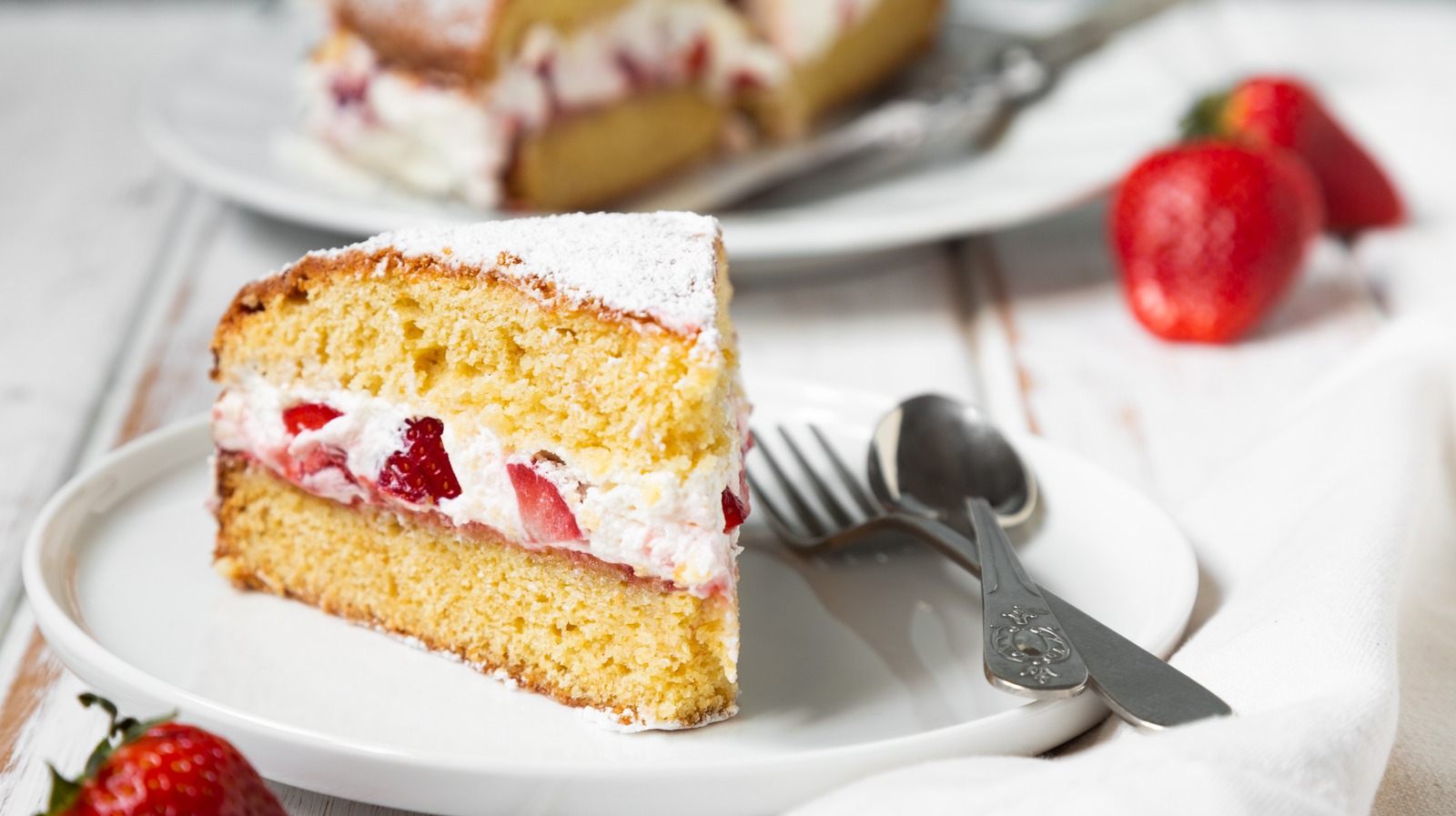
What defines a **classic Victoria Sponge cake** is its elegant simplicity. It’s a testament to the idea that some of the best things in life require only a few high-quality ingredients. At its heart, it’s a butter cake made from just four core components: eggs, sugar, butter, and flour. These modest ingredients, when combined with precision and care, transform into a remarkably light, airy, and delicately sweet sponge. The magic truly happens when two such sponges are sandwiched together with a generous layer of vibrant raspberry or strawberry jam and a dollop of freshly whipped double cream, all dusted with a whisper of icing sugar. This iconic presentation and flavour combination have made it an indispensable staple at British tea tables, a tradition that continues to thrive today.
Anatomy of a Perfect Victoria Sponge
Crafting the perfect **classic Victoria Sponge cake** isn't merely following a recipe; it's about understanding the alchemy of baking. The traditional method, often referred to as the 'creaming method', is crucial for achieving that characteristic light and tender crumb.
Here’s a breakdown of the key elements and process:
- The Sponge Ingredients: A truly classic recipe calls for 200g each of softened unsalted butter, caster sugar, and self-raising flour, along with 4 large eggs at room temperature. A splash of whole milk and a hint of vanilla extract are often added for extra moisture and flavour, though not strictly traditional in the very earliest versions. Using self-raising flour is key, as it provides the necessary lift, contributing to the cake's signature "sponginess."
- The Creaming Method: This is the soul of the Victoria Sponge. Softened butter and caster sugar are beaten together until they are pale, light, and incredibly fluffy. This process incorporates air, which is vital for the cake's structure and lightness. Don't rush this step – it’s the foundation of a great sponge.
- Incorporating Eggs: Eggs are added one at a time, ensuring each is fully incorporated before adding the next. Room temperature eggs emulsify better with the butter mixture, preventing curdling. If the mixture does start to curdle, a spoonful of flour can often rescue it.
- Folding in Flour: Once the eggs are in, the sifted self-raising flour is gently folded into the batter. The key here is to be light-handed. Overmixing at this stage will develop the gluten in the flour too much, resulting in a tough cake. The goal is to retain all the air incorporated during the creaming stage.
- Baking and Cooling: The batter is divided evenly between two prepared 20cm (8-inch) round cake tins and baked until golden and springy. Proper cooling – first in the tins, then on a wire rack – is essential to prevent the delicate sponges from collapsing.
- The Signature Filling: Once completely cool, one sponge is spread with a generous layer of quality raspberry or strawberry jam, followed by a thick layer of freshly whipped double cream. The second sponge is then gently placed on top, and the whole cake is finished with a dusting of icing sugar. The simplicity of this filling perfectly complements the delicate sponge, creating a balanced and utterly delightful experience.
For a more detailed guide on perfecting this iconic treat, explore our article:
Bake the Perfect Victoria Sponge: Queen Victoria's Favorite Cake.
Victoria Sponge vs. Pound Cake: A Tale of Two Classics
While both the Victoria Sponge and Pound Cake are cherished butter cakes, their origins, ingredient ratios, and resulting textures tell distinct stories. They are, indeed, cake cousins, sharing a similar foundation but diverging in their execution and character.
Pound Cake: The Hearty Ancestor
Traditional pound cake, as its name suggests, historically called for a pound each of butter, sugar, eggs, and flour. This equal-weight ratio yields an incredibly rich, dense, and moist cake with a fine crumb. It's robust and often enjoyed plain, with a simple glaze, or alongside fresh fruit. Its density made it an excellent candidate for keeping well and for travelling, a practical consideration in centuries past. Leavening in traditional pound cakes often relied heavily on the aeration of the butter and eggs, though modern recipes may include baking powder or soda for extra lift.
Victoria Sponge: The Light and Elegant Heir
The Victoria Sponge, while also a butter cake, deviates significantly from the pound cake's dense tradition.
- Ingredient Ratios: Unlike the equal-weight philosophy of pound cake, the Victoria Sponge's recipe uses a carefully balanced ratio of ingredients, often equal parts butter, sugar, and flour, but with a specific number of eggs (typically 4 for 200g of other ingredients). This slight shift, combined with the creaming method, significantly impacts the final texture.
- Texture: This is the most striking difference. The Victoria Sponge aims for a light, airy, and "spongy" texture. The vigorous creaming of butter and sugar, combined with the gentle folding of self-raising flour (or flour with baking powder), ensures a delicate crumb that feels incredibly light on the palate. While the term "sponge cake" can sometimes refer to cakes made with separated, whipped eggs (like génoise), the Victoria Sponge achieves its lightness through the butter-creaming method, distinguishing it from both that lighter style and the heavier pound cake.
- Purpose and Presentation: The Victoria Sponge is inherently designed for layering and filling. Its delicate nature provides the perfect counterpoint to the sweetness of jam and the richness of whipped cream. Pound cake, by contrast, is often baked as a loaf or bundt and served without elaborate fillings, its own dense flavour being the star.
In essence, if pound cake is the sturdy, comforting elder, the Victoria Sponge is its graceful, refined younger sibling, perfectly suited for the social elegance of afternoon tea.
Tips for Achieving Victoria Sponge Perfection
To truly master the **classic Victoria Sponge cake**, here are some essential tips and tricks that go beyond the basic recipe:
- Room Temperature Ingredients: This cannot be stressed enough. Softened butter and room temperature eggs cream together smoothly and incorporate air more effectively, leading to a lighter, more consistent batter.
- Don't Skimp on Creaming: Beat the butter and sugar until truly pale and fluffy. This is where most of the cake's lift comes from, so take your time.
- Gentle Folding: When adding the flour, fold it in carefully with a spatula or metal spoon. Overmixing develops gluten, which results in a dense, tough cake. The goal is just to combine until no streaks of flour remain.
- Accurate Oven Temperature: An oven thermometer can be a baker's best friend. An oven that's too hot will create a domed cake that browns too quickly; one that's too cool can result in a flat, heavy sponge.
- Even Baking: Ensure your cake tins are properly greased and lined, and that the batter is evenly distributed. This helps both layers bake consistently. Rotating the tins halfway through baking can also promote even browning.
- Cool Completely: Resist the urge to assemble your cake before it's entirely cool. Warm cake will melt the cream and jam, making for a messy and unstable filling.
- Quality Fillings: Use a good quality jam with a high fruit content and proper double cream (with at least 48% fat) for the best flavour and texture.
For those times when you're craving this British classic but are short on time, there are clever shortcuts that can still yield a delicious result. Discover how to whip up a delightful version with ease in our article:
Quick Victoria Sponge: Make This Afternoon Tea Staple with Ease.
Conclusion
The **classic Victoria Sponge cake** stands as a testament to the enduring power of simple, well-executed baking. More than just a dessert, it's a slice of history, a cultural icon, and a benchmark for British baking. While its cousin, the pound cake, offers a comforting density, the Victoria Sponge wins hearts with its unparalleled lightness, delicate flavour, and elegant presentation. Whether you're a seasoned baker or a curious novice, mastering the Victoria Sponge is a rewarding journey that connects you to a timeless tradition, promising a truly delightful experience with every bite.